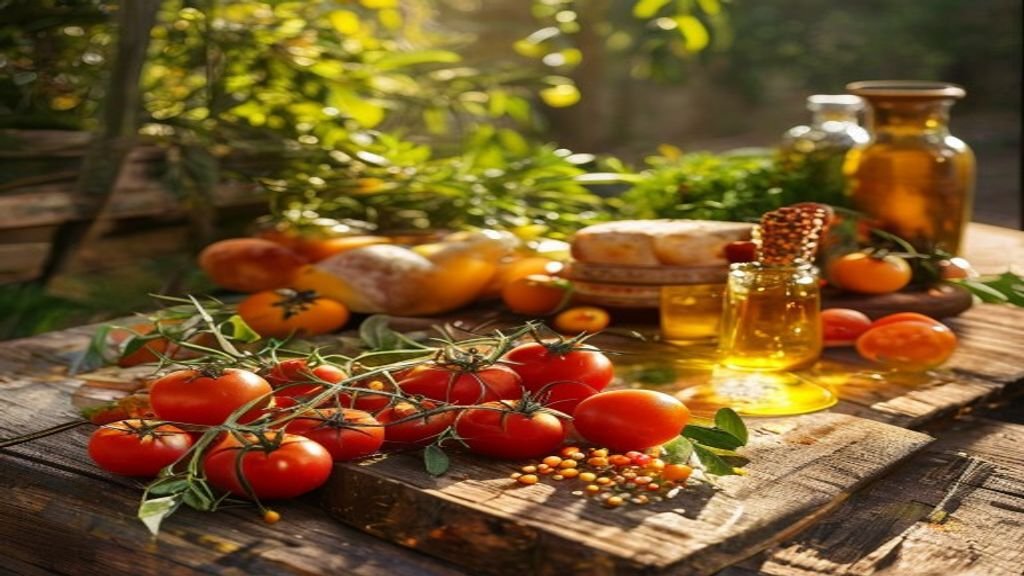
The pantry tells you what year it was. The jars of preserved quince with their slight caramel colour and the smell of late October. The bottles of elderflower cordial, pale and gold, from the spring hedge. The dark lacto-fermented cabbage made in November from the garden's last cabbages. Preserved food is time made edible.
This is the full fermentation and preservation diary from one year on this land — what we made, how we made it, and what ended up on the retreat table.
## Spring: Elderflower
The elder (Sambucus nigra) flowers in late May along our northern hedge line. We harvest the flower heads on the second or third day of opening — just before full bloom, when the aromatic compounds are at peak concentration. The smell is extraordinary: sweet, floral, faintly musky, completely unlike anything bottled.
**Elderflower cordial:** 20 flower heads, 1.5kg sugar, 2 lemons (zest and juice), 1.5 litres boiling water. Steep 24–48 hours. Strain. Bottle. Pasteurise at 75°C for storage. Makes approximately 1.5 litres of concentrated cordial. Diluted 1:5 with cold sparkling water, it is the best drink we serve. Every guest asks about it.
**Elderflower vinegar:** A handful of flowers steeped in apple cider vinegar for 3 weeks. Extraordinary as a salad dressing base and digestif addition.
## Late Spring/Early Summer: The Herb Vinegars and Oils
May and June: the medicinal and culinary herbs at their most aromatic. We make three infused oils every year:
**Hypericum (St John's Wort) oil:** Flowers packed into olive oil, left in sunlight for 4–6 weeks in a glass jar. The oil turns a deep, extraordinary red. Used for nerve pain, bruising, and skin healing. We give a small bottle to every departing guest.
**Rosemary oil:** Fresh rosemary in olive oil, gentle heat infusion. Used in the kitchen exclusively.
**Thyme honey:** Fresh thyme sprigs in raw local honey. Two weeks. The thyme infuses but the honey absorbs the essential oils. Served at breakfast and recommended to anyone with a sore throat.
## Summer: Ferments and Pickles
July and August produce faster than we can use fresh. The processing is constant and genuinely enjoyable — particularly when done with guests.
**Lacto-fermented courgette:** Sliced courgette + 2% salt by weight. Packed into glass jars, submerged under their own brine. Ready in 5–7 days at room temperature. Slightly sour, still crunchy, completely transformed in character from the raw vegetable. We serve it alongside every summer lunch.
**Fermented tomato sauce:** We roast excess tomatoes at low heat until concentrated, then ferment the cooled sauce with a tablespoon of whey for 2–3 days. The result is a tomato sauce with extraordinary depth and a slight effervescence. Guests notice it and cannot identify what's different.
**Runner bean pickle:** Green runner beans + apple cider vinegar + garlic + black pepper + mustard seeds. Heat-processed in jars. The simplest possible preserve, reliable, and beautiful to look at.
## Autumn: The Orchard Season
October is the peak. Quince, medlar, late figs, chestnut, and the first apples.
**Marmelo (quince paste):** The traditional Portuguese preparation. Quince cooked to paste consistency with sugar (approximately 1:1 by weight of cooked fruit), poured into moulds, dried for 2–3 days. Served with cheese (we use a local queijo de cabra) at dinner, every evening from October through spring.
**Chestnut preserve:** Peeled chestnuts simmered in water until soft, then processed with sugar and vanilla. The result is a dense, intensely flavoured sweet preserve. Our version uses half the standard sugar quantity — less sweet, more chestnut. Exceptional on oat porridge in winter.
**Wild mushroom pickle:** Chanterelles and saffron milk caps in a vinegar brine with bay leaf and peppercorns. Eaten with cold meats and served as part of every autumn cheese plate.
## Winter: Sauerkraut Season
Winter is fermentation's natural home — cool temperatures mean slow ferments, which produce more complex flavour than summer ferments. We make large-scale sauerkraut (10kg batches in 25-litre crocks) from the last cabbages in November.
By January, the sauerkraut is ready: intensely sour, alive with Lactobacillus, exceptional braised with white beans and smoked paprika. Portuguese winter in a bowl.
---
*We run a fermentation and preservation workshop in October each year, open to retreat guests and day visitors.*