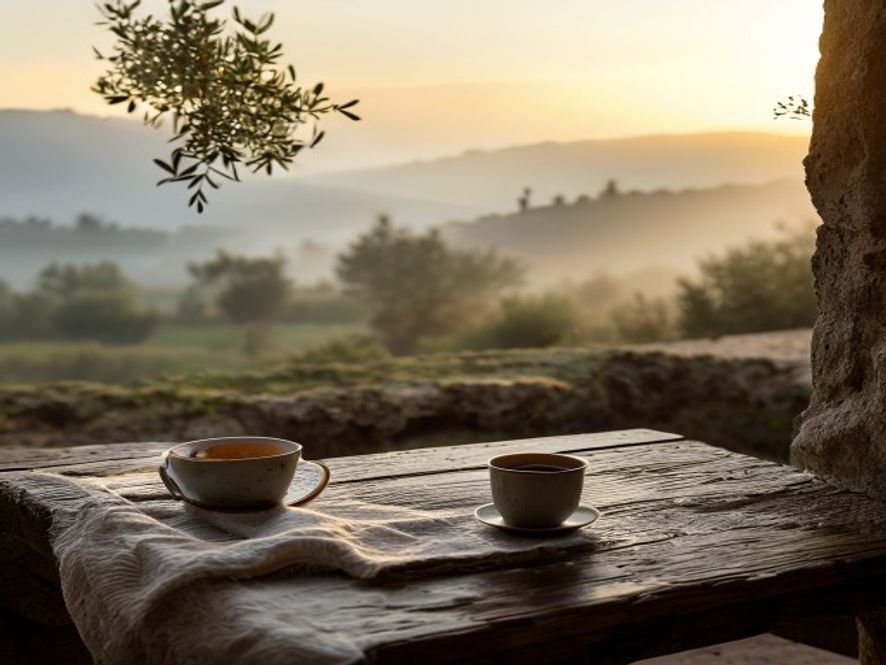
Most retreat weeks fail not because the location is wrong or the food is bad or the facilitator is underqualified. They fail because the *rhythm* is wrong. Too much structure, and guests feel like they're on a wellness conveyor belt. Too little, and they spend the week recreating the anxious, self-directed busyness they came to escape.
Getting the rhythm right is the hardest and most important thing in retreat design.
## The 70/30 Rule
We structure our week-long retreats so that approximately 70% of waking time is guided or scheduled, and 30% is completely free. Not "you can choose from these activities" free — genuinely unstructured, unaccounted-for time.
That free time is sacred. It's when people sit by the pond for two hours watching dragonflies. It's when they have the conversation they've been avoiding with themselves. It's when they write in their journal, or sleep in the afternoon, or wander through the orchard. It's when the retreat does its deepest work.
Many retreat operators are afraid of unstructured time because they worry guests will be bored or feel they're not getting value. In our experience, the guests who value their free time most are the ones who describe the retreat most eloquently in their reviews.
## Daily Rhythm: The Architecture That Makes Space
A typical retreat day has five structural elements:
**Morning movement (7:00–8:30)** — yoga, tai chi, or guided nature walk, depending on the facilitator and programme theme. Done outdoors when weather allows. This is the body-based entry point into the day.
**Communal breakfast (8:45–9:30)** — unhurried, shared. No phones. This is the first anchor of the day: food, faces, gentle conversation. The farm-to-table sourcing is explained by whoever cooks it. Connection to the land begins here.
**Morning programme (10:00–12:30)** — the substantive block of the day. Workshop, meditation session, facilitated group work, practical skill session (fermenting, foraging, building with natural materials), or deep ecotherapy depending on the programme theme.
**Afternoon free time (13:00–16:30)** — the sacred gap. Lunch is light, available, and self-served. The afternoon is entirely unstructured.
**Evening gathering (17:00–19:00)** — group sharing circle, integration practice, or social gathering around the fire. This is the closing anchor of the day. Not therapeutic in a clinical sense, but held and intentional.
**Dinner (19:30)** — the social peak. Long communal meals, candles, wine if the programme allows it, no agenda. Guests often report these evenings as the most valuable time of the week.
## The Role of the Land
Our programme doesn't use the land as a backdrop. It uses the land as a co-facilitator. The biological pond is visited deliberately, not just swum in. The food forest is walked with purpose, not just admired from a distance. The orchard produces the fruit that appears on the breakfast table.
This integration between place and programme is what distinguishes an eco retreat from a wellness hotel with trees. When a guest understands that the compost from their kitchen scraps is building the soil that will grow next year's vegetables, the feedback loop between their visit and the land's health becomes tangible. That's transformative in a way that no facilitated session can manufacture.
## Choosing the Right Facilitators
We work exclusively with partner facilitators — self-employed specialists who bring their own community and mailing list. Revenue split is typically 60/40 (retreat/facilitator) after accommodation and food costs.
Our criteria: minimum 3 years' active teaching/facilitation experience, current professional insurance, a clear and honest teaching bio, and personal alignment with the land-based, ecological ethos of the retreat. We do not work with facilitators who frame their offering primarily as luxury wellness.
---
*View our upcoming programme calendar and available retreat weeks on our bookings page.*